

Ecodots
Engineering the future of sustainability
★★★★★
Top rated by 100+ clients
Our Services
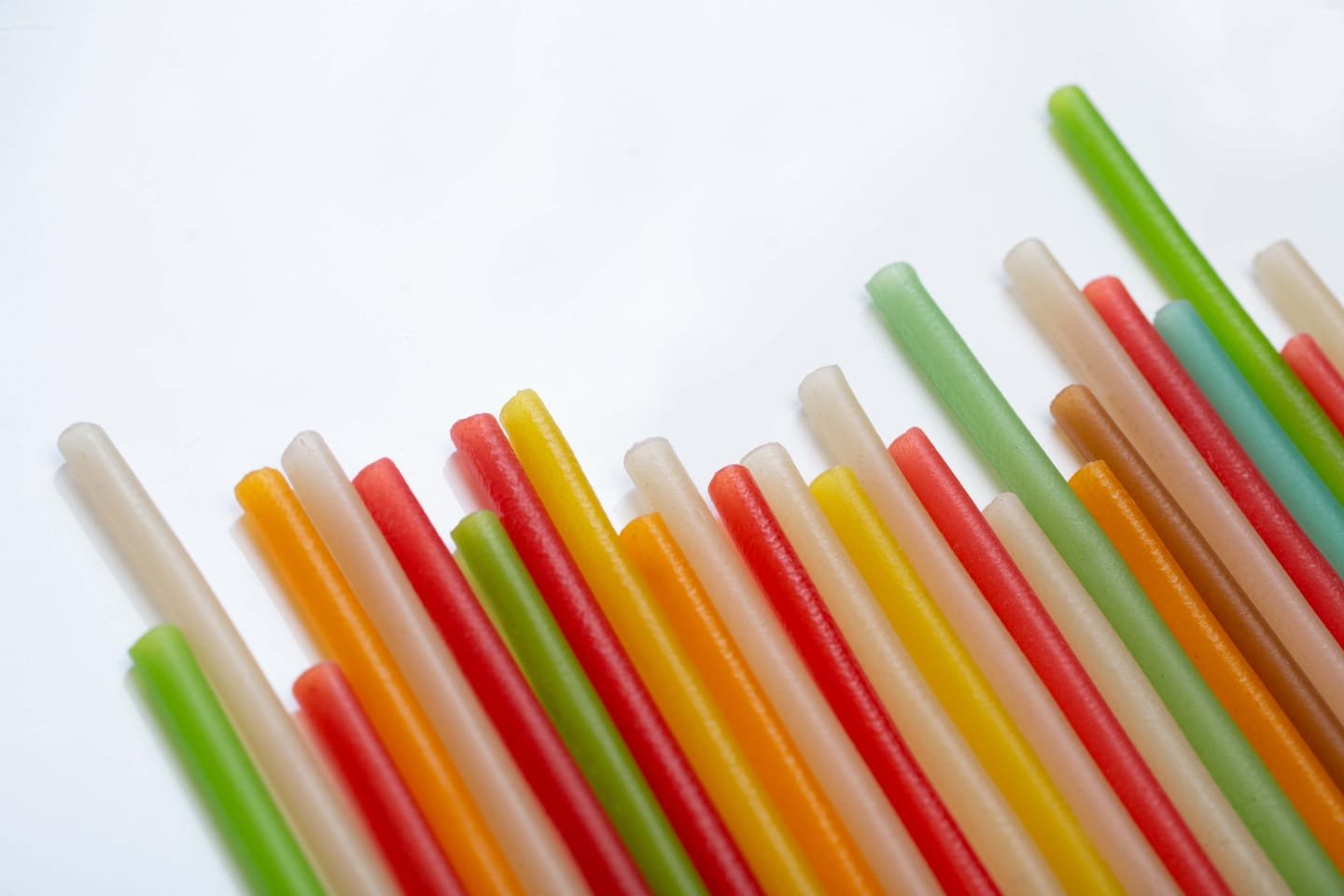
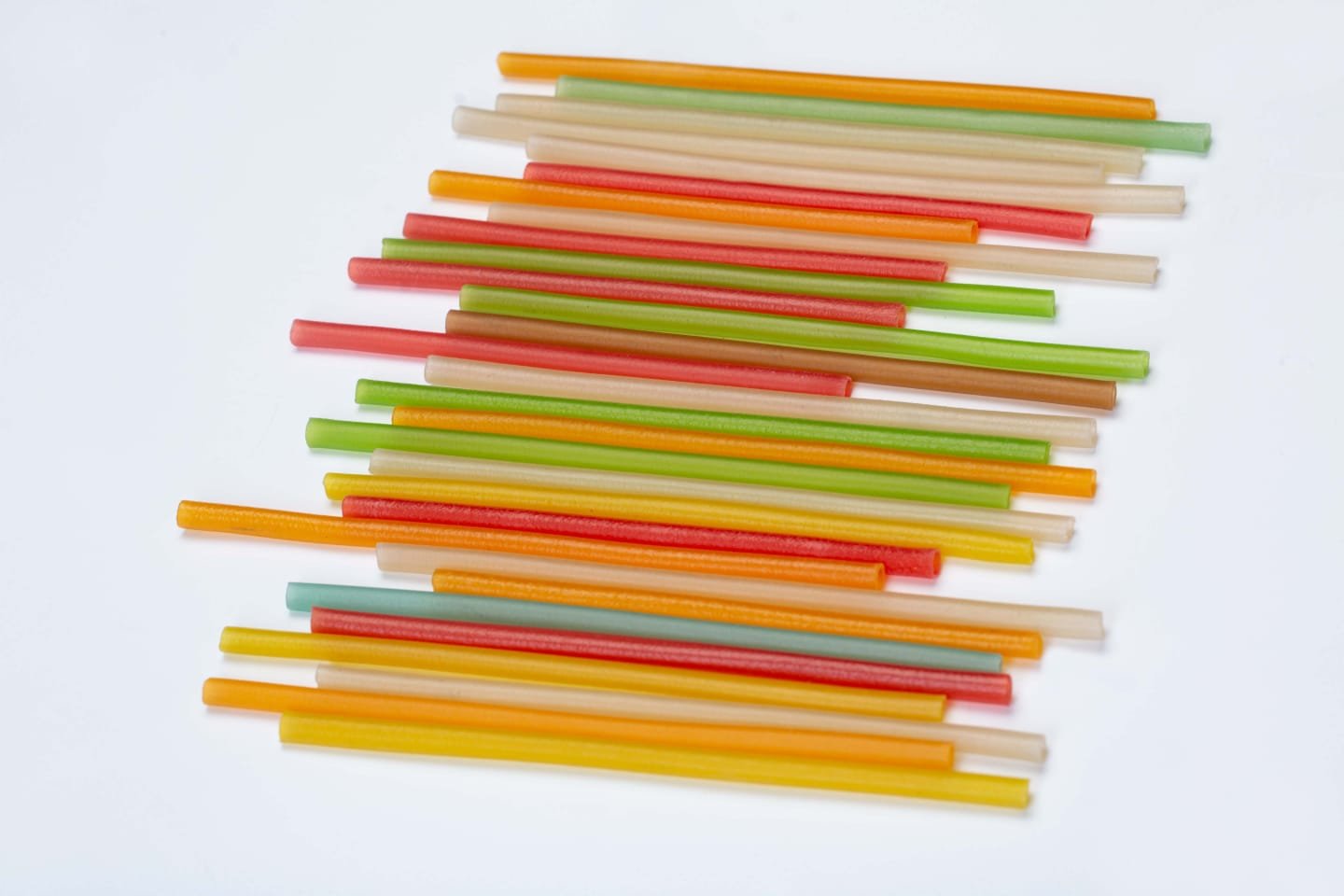
A rice drinking straw is a 100% natural, biodegradable alternative to plastic and paper straws. It is typically made from a simple blend of rice flour and a starch like tapioca, which gives it extra strength and flexibility.
A sugarcane bagasse drinking straw is a premium, plant-based alternative to plastic and paper straws. It is made by repurposing bagasse—the dry, fibrous agricultural waste left behind after extracting juice from sugarcane stalks.
Eco friendly Straws
Switching to eco-friendly straws is a powerful step away from plastic pollution. While plastic straws take centuries to degrade—harming wildlife and leaving behind toxic microplastics—sustainable alternatives made from rice, tapioca, or sugarcane bagasse offer a zero-waste solution. They deliver excellent structural integrity without getting soggy like paper, and once discarded, they return naturally to the earth as organic compost without sacrificing everyday convenience.
Eco Packaging
Eco-friendly packaging replaces single-use plastics with sustainable, renewable materials like sugarcane bagasse, cornstarch, and recycled paperboard. Designed to lower carbon emissions and eliminate waste, it protects products just as effectively as conventional packaging. Instead of clogging landfills for centuries, it cleanly decomposes or recycles, helping forward-thinking brands reduce their environmental footprint and meet the global demand for sustainability.
A clean future relies on transforming how we design, use, and dispose of everyday goods. By moving away from fossil-fuel-dependent plastics and embracing rapidly renewable, bio-based materials, we can stop managing waste and start eliminating it entirely. Embracing true circular innovation ensures that our oceans, soil, and ecosystems can regenerate, allowing global commerce and natural habitats to thrive side by side for generations to come.
Biodegradable materials are designed to work in perfect harmony with nature’s lifecycle. Unlike synthetic plastics that fracture into permanent microplastics, truly biodegradable matter can be completely broken down by fungi, bacteria, and other natural microorganisms. It naturally decomposes into harmless, organic nutrients—such as water, carbon dioxide, and biomass—leaving absolutely no toxic chemical trace behind in our soil or oceans.